Safety is among the most basic human needs that is very entrenched in psychology. With growing urbanization and changing lifestyles, homeowners are demanding more than physical protection and want a security solution that offers not only physical protection but also psychological comfort. This is the reason why the Biometric Door Lock has become a reliable technology, as it resonates well with people\'s perceptions of safety, identity, and control.
The Power of Personal Identity in Security
The issue of identification with personal identity would be one of the most powerful psychological reasons why they trust biometric locks. Biometric data, including the fingerprint or the face, is unique to the person as opposed to traditional keys or numbers. Homeowners have more sense of territory and control by having access to a home based on who they are and not what they are carrying. This identity-based access minimizes anxieties about missing keys, duplicated copies, or using shared passwords, and the opinion is that the home can only be accessed by authorized persons.
Perceived Control and Reduced Vulnerability
On the psychological front, individuals would be safe knowing that they are in control of their environment. Biometric locks provide an illusion of control over access to the house since homeowners can control the access points accurately. The fact that it allows the registration, deletion, or monitoring of users enhances trust in the system. This degree of mastery contributes to the perceived vulnerability to a certain degree, which is one of the major factors behind a sense of safety. As long as the homeowners have the belief that they can control access to the space by any person at any given time, trust in the security solution is bound to grow.
Emotional Comfort Through Convenience
The convenience is an insidious but effective part of psychological safety. Biometric locks eliminate stress factors that are common with other locking systems, like losing keys or tripping over the door. This emotionless experience brings a sense of comfort to the experiences, particularly when it is necessary or when one feels vulnerable, like when one comes home late at night. The accessibility of the product helps a homeowner to connect the biometric locks with the feeling of relief and peace instead of struggle and worry.
Visual Sophistication and Psychological Assurance
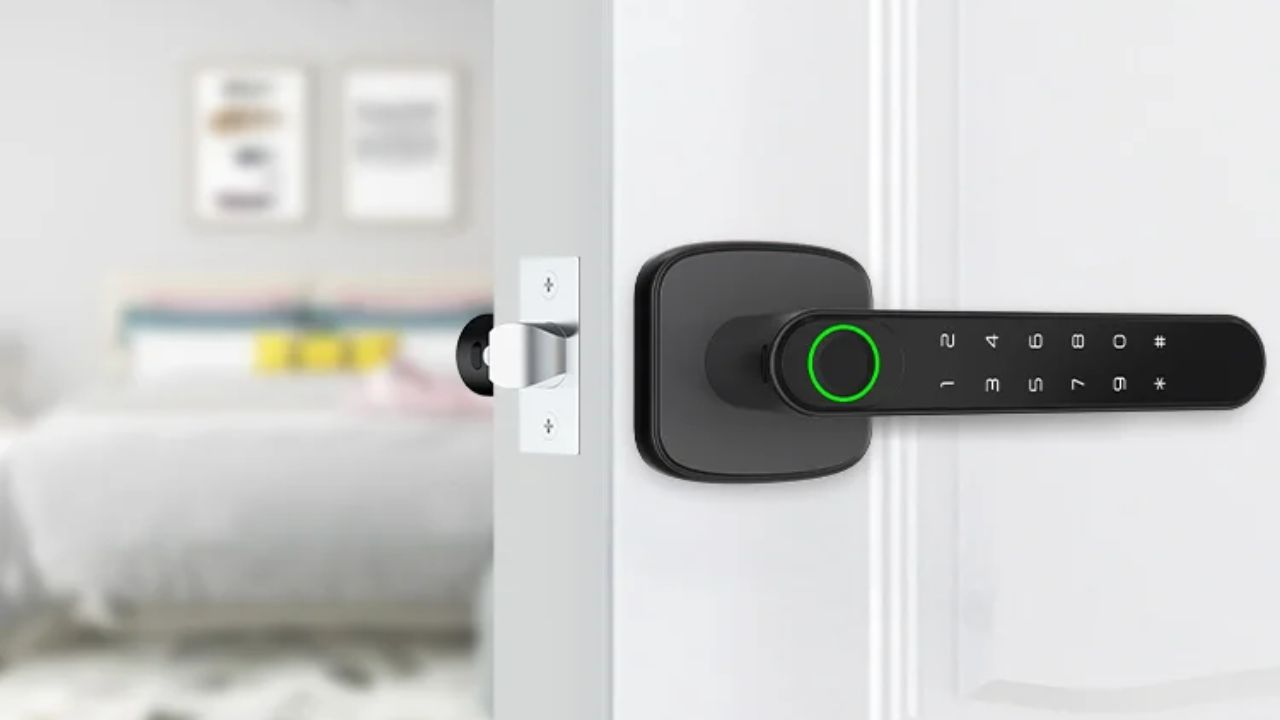
Trust in biometric locks is also determined by the way they are designed and look. Sleek, up-to-date designs are cues of innovation and quality, which are psychologically construed into perceptions of reliability. Owners of homes tend to link high-appearing devices with greater performance levels. Even when a security product is presented as well-designed and technologically advanced, it sends the message of power and prowess on a subliminal level. This sight of safety is significant in the formation of emotional reactions about home security systems.
Social Proof and Modern Living Standards
Social validation is another psychological influence that evokes trust in biometric locks. With the increasing implementation of biometric security in workplaces, in phones, and in the systems available to the general population, homeowners are now more assured to implement the same in their homes. The presence of other people using and relying on biometric solutions supports the notion of these locks being secure, efficient, and acceptable in society. This shared confidence minimizes uncertainty and gives a person more confidence in the technology.
Long-Term Peace of Mind
Finally, biometric locks have a psychological appeal, namely, that of being able to relax. Homeowners are not only buying a locking mechanism, but they are also spending money on emotional security. Being aware of the fact that access is safeguarded by the peculiarities of the biological features makes the sense of safety persistent and does not just rely on the physical boundaries. This emotional confidence allows homeowners to continue with their daily lives without having to worry about intrusion on a regular basis.
A Shift Toward Intelligent Security
The increasing popularity of biometric locks indicates that there is an overall change in the way people perceive the issue of safety. The concept of security is now not only about resistance to force, but also about intelligence, personification, and emotional reassurance. Having been in line with the basic psychological needs of control, identity, and peace of mind, biometric locks have secured their position in the list of the relied-upon solutions in contemporary residential security.
Conclusion
The confidence that homeowners have in biometric locks lies in the depths of psychology and not in the technology itself. Biometric locks, by relating security to personal identity, are filling the human need to have control, certainty, and emotional comfort. Their dependability, convenience, and modernity build trust and lessen the stress that people encounter daily when using traditional locking systems. With the current changes in the expectations of security, homeowners are now more appreciative of solutions that are not only protective of their property but also of their peace of mind. Biometric locks serve this requirement by providing a smart and customized experience to home security, which is why they are a reliable solution to the present-day home environment.