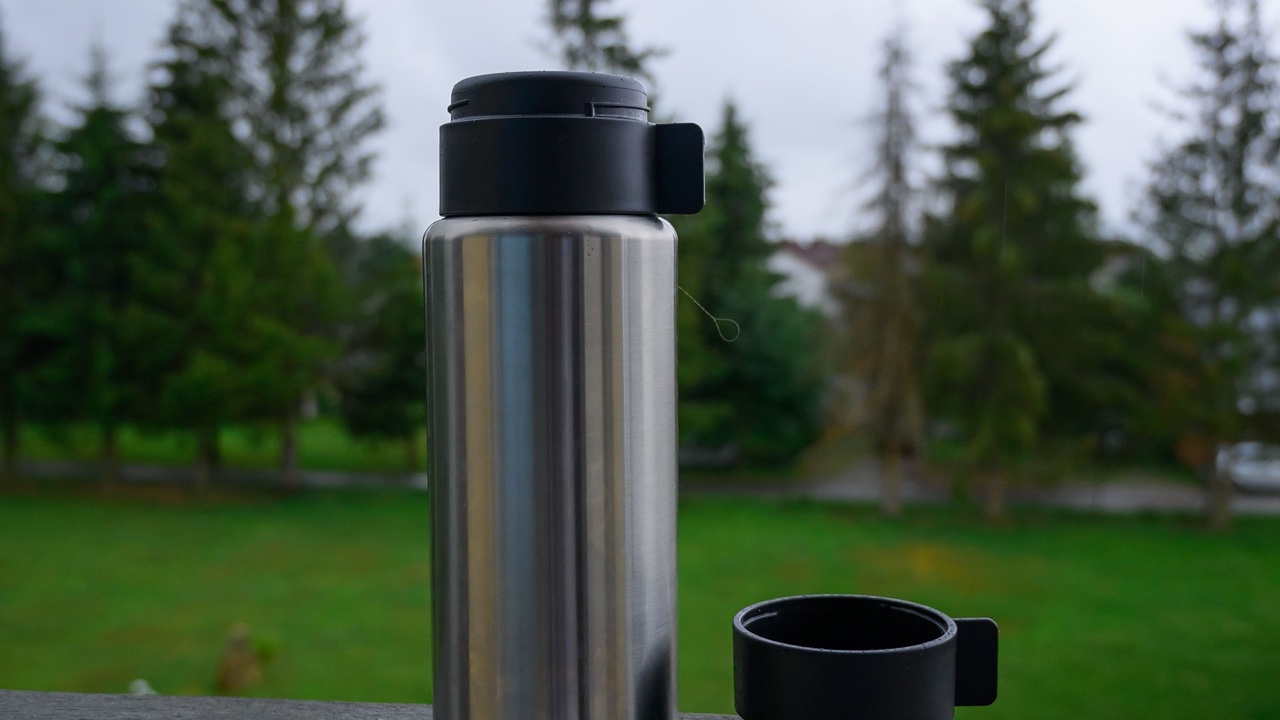
Tumbler product listings have gotten more detailed over the years, but more detail doesn’t always mean more useful information. A typical spec sheet now includes insulation hours, wall thickness, steel grade, capacity, weight, coating type, and certifications — and most buyers walk away from it with a vague sense that the product sounds good without being able to evaluate whether it actually is.
The problem isn’t that specs are misleading. It’s that the numbers that appear most prominently aren’t always the ones that matter most, and the numbers that matter most are often buried or absent entirely.
Insulation Hours: The Most Cited, Least Reliable Number
“Keeps drinks hot for 12 hours, cold for 24 hours” is the standard format for tumbler insulation claims, and it’s technically accurate under the testing conditions used — which are nothing like how anyone actually uses a tumbler.
Standard insulation tests typically fill the container to capacity, seal it completely, and measure temperature retention in a controlled ambient environment. Nobody uses a tumbler that way. In real use, the container gets opened multiple times to drink, is rarely full to start with, sits in varying ambient temperatures, and gets set down on surfaces that conduct or radiate heat.
The actual performance window in daily use is typically 40 to 60 percent of the stated maximum — so a tumbler claiming 12 hours of heat retention will keep a drink meaningfully warm for somewhere between five and seven hours under realistic conditions. This is still useful performance; it just reframes the spec from a precise claim to a rough category indicator.
What the insulation claim is actually telling you is the quality tier of the vacuum insulation. A 4-hour claim suggests thinner walls or weaker vacuum; a 12-hour claim indicates better construction. Compare claims across products as a relative measure, not an absolute one, and treat anything above 8 hours as a signal of above-average insulation quality rather than a literal promise.
Steel Grade: When It Matters and When It Doesn’t
18/8 (304 grade) and 18/10 (316 grade) are the two most common stainless steel designations you’ll see on tumbler listings. The numbers refer to the percentage of chromium and nickel in the alloy. Higher nickel content in 18/10 improves corrosion resistance and gives the steel a slightly shinier finish.
For the vast majority of tumbler use cases — beverages, daily washing, normal handling — 18/8 is completely adequate. It’s food-safe, corrosion-resistant under normal conditions, and will outlast most users’ interest in the product. The scenarios where 18/10 provides meaningful benefits involve sustained exposure to highly acidic or chlorine-rich environments, which is not a typical office or outdoor use situation.
The steel grade matters most when evaluating long-cycle products intended for years of intensive daily use. For standard promotional tumblers or mid-range retail products, 18/8 is the appropriate spec, and paying a premium for 18/10 returns diminishing value.
More important than the grade designation is whether the listing specifies any grade at all. Listings that describe steel as simply “stainless” or “food-grade stainless” without a grade designation are worth scrutinizing. Reputable manufacturers specify grade because it’s a meaningful quality signal; vague descriptions sometimes indicate lower-quality or unspecified alloys.
Capacity and Dimensions: The Numbers That Affect Usability Most
Capacity is the spec that most directly shapes how a tumbler integrates into daily use, and it’s often the one buyers spend the least time evaluating.
Bigger is not better by default. A 40oz tumbler holds enough liquid for an entire day but weighs over 500g when full, won’t fit in most cup holders, and requires both hands to carry comfortably. For an active commuter, this is the wrong product regardless of insulation quality.
The 20oz to 24oz range covers most everyday use cases: enough capacity for a meaningful portion of the morning without the weight and handling issues of larger formats. The 12oz to 16oz range suits people who prefer to refill frequently and prioritize portability. Matching capacity to the actual use case produces a better experience than defaulting to the largest available option.
Diameter matters more than most listings acknowledge because it determines car cup holder compatibility — a non-trivial factor for anyone who uses a tumbler during a commute. The standard cup holder diameter is roughly 3 to 3.5 inches, and tumblers above about 3.75 inches at the base won’t fit in most vehicles. Listings that provide base diameter rather than just body diameter are more useful here; body diameter alone can be misleading if the base tapers significantly.
Weight: The Spec That Predicts Whether a Tumbler Gets Used
Empty weight is listed on most spec sheets and routinely ignored. It shouldn’t be, because it’s one of the better predictors of whether a tumbler becomes a daily habit or a drawer item.
A tumbler that weighs 400g empty weighs 700g or more when full. For a 16oz product, that’s on the heavy side. For daily carrying, a target empty weight of 250 to 350g for mid-size tumblers produces a product that feels substantial without being fatiguing over a full day.
Weight becomes more important when evaluating tumblers for specific user groups. An employee wellness program for a predominantly desk-based workforce has different weight requirements than outdoor gear for hikers. A tumbler that’s appropriate for one context may be burdensome in another.
Coating and Finish: What Powder Coat Claims Don’t Tell You
“Powder-coated exterior” appears on most tumbler listings as a finish description, and it tells you less than it appears to. Powder coat is a generic category. The quality of the application — thickness, adhesion, curing — varies significantly and affects how long the finish holds up to daily use and regular washing.
What to look for instead: whether the manufacturer specifies the powder coat process or provides any guarantee on finish durability. Listings that describe powder coat and nothing else are providing minimal information. Listings that mention electrostatic application, multi-stage curing, or finish durability testing are giving you more to evaluate.
Color stability is another gap in most spec sheets. Powder coat colors vary in UV stability — light colors and certain pigments fade faster than others with outdoor exposure. For products intended for outdoor use or sunny office environments, asking about UV resistance is a reasonable question that most standard spec sheets don’t answer.
Certifications: Which Ones to Verify
FDA compliance, LFGB (European food contact standard), BPA-free, and Prop 65 compliance are the most commonly cited certifications for stainless steel tumblers. They’re all meaningful, but their presence on a listing is not the same as documentation.
For serious procurement decisions — large institutional orders, products for retail sale, or anything entering a regulated market — the certificate itself, not the claim, is what matters. A reputable manufacturer can produce current certification documentation on request. A supplier who can’t, or who takes weeks to provide it, is providing less assurance than the listing implies.
The certification most worth verifying for food contact is LFGB, as it has more rigorous testing requirements than FDA compliance alone. For markets in the EU, LFGB compliance is the standard buyers should be asking about; for North American markets, FDA with BPA-free documentation covers the baseline requirements.
What Good Specs Look Like Together
A well-specified tumbler listing for procurement purposes would include: insulation performance stated with test conditions noted, steel grade specified (18/8 or 18/10), capacity with accurate base diameter, empty weight, powder coat specification or finish warranty, and certification documentation available on request.
Most listings don’t include all of this, which means most purchasing decisions involve some amount of inference. For anyone sourcing wholesale stainless steel tumblers at scale, the quality of the supplier’s spec documentation is itself a signal — manufacturers who build good products tend to know their specs precisely and share them willingly. Vague listings and reluctant documentation are patterns worth paying attention to before committing to a large order.